
Nigeria’s Gas Reserves Rise to 215.29 TCF – Decade of Gas
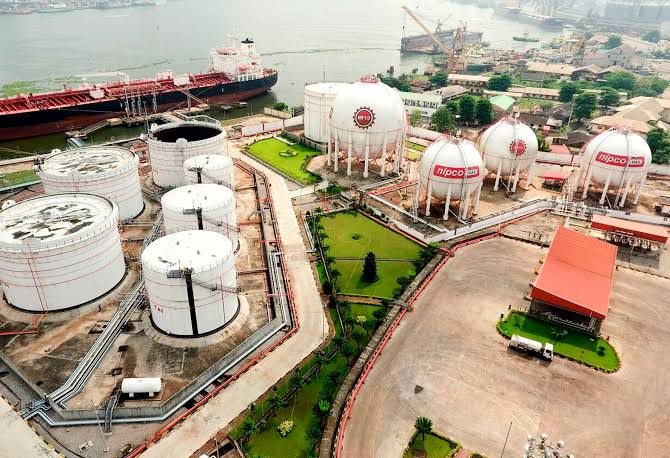
Nigeria’s proven gas reserves increased from 208.83 trillion cubic feet (TCF) in 2023 to 215.29 TCF as of January 2026, the Decade of Gas initiative has said.
The initiative, in collaboration with the Presidential Initiative on Compressed Natural Gas and Electric Vehicles (PI-CNG & EV), disclosed this at a media parley in Kano on Thursday.
It also said average gas production rose from 6.86 billion cubic feet per day (BCF/D) to approximately 7.5 BCF/D, while domestic gas supply exceeded two BCF/D.
Taofeek Balogun, Workstream Lead for Infrastructure and Demand at the Decade of Gas, attributed the progress to developments under President Bola Tinubu’s administration and the leadership of Ekperikpe Ekpo, Minister of State for Petroleum Resources (Gas).
Balogun said about 3.5 billion dollars had been committed to investments across four major gas projects.
He disclosed that the OB3 Gas Pipeline was approximately 100 per cent complete, while the Ajaokuta-Kaduna-Kano (AKK) Gas Pipeline had reached about 95 per cent completion.
According to him, approximately ₦671 billion had been spent on infrastructure funding, attracting ₦1.6 trillion in private investment.
On cleaner cooking energy, Balogun said the Liquefied Petroleum Gas (LPG) programme was targeting five million households by 2030, with the initiative inaugurated in Bayelsa and Akwa Ibom states.
He added that Nigeria was targeting September 2028 to transition to a Willing Buyer, Willing Seller (WBWS) gas market framework to improve competition, transparency and commercial sustainability.
In a separate presentation, Tosin Coker, Chief Operating Officer of PI-CNG & EV, highlighted the role of compressed natural gas in reducing transportation costs, enhancing energy security and supporting cleaner mobility.
Coker addressed concerns about CNG safety, stressing the need for certified conversion centres, approved equipment, regulatory compliance and proper vehicle maintenance.
He said 670 CNG-powered buses had been deployed nationwide, with 285 operating commercially across 13 states.
Another 302 buses, he said, had been allocated to transport unions, students and government agencies.
Coker added that routes under the National Affordable CNG Transition Programme (NACTP) had recorded fare reductions ranging from 15 to 50 per cent.
He also disclosed plans to establish 127 additional CNG refuelling stations across 31 states, including the Federal Capital Territory, to improve accessibility and accelerate nationwide adoption.
According to him, Kano has emerged as a strategic clean-mobility hub in Northern Nigeria.
He said the state was leading the North-West with seven operational CNG refuelling stations, while 17 additional stations were at various stages of completion.
Speaking on behalf of participating journalists, Murtala Adewale commended the Decade of Gas Secretariat and PI-CNG & EV for organising the engagement.
Adewale described the programme as informative and beneficial to media practitioners, calling for more frequent capacity-building sessions and wider participation by journalists.
He also urged stronger collaboration between the media, industry stakeholders and regulatory agencies to deepen understanding and promote accurate reporting of developments in Nigeria’s gas sector.
Stay connected to Nigeria's global story
Related Articles



Most Read on Naija Across Borders

Tinubu Seeks Senate Approval for $20.52bn, €1.05bn Loans
2 min read

FG plans law to protect Tinubu’s economic reforms from reversal
1 min read

Tinubu Departs Abuja for Makkah to Pray for Nigeria
1 min read
Army Inaugurates 200 Projects to Boost Personnel Welfare
3 min read