NCC Warns Nigerians to Verify Phones Before Purchase
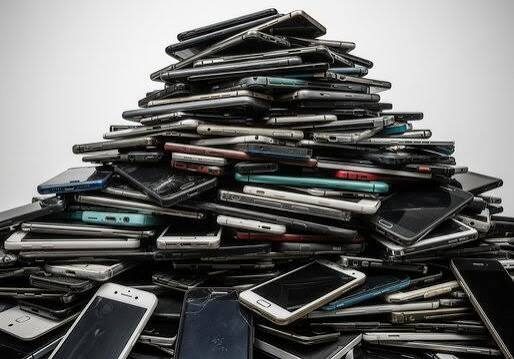
The Nigerian Communications Commission (NCC) has advised Nigerians to verify mobile phones before purchase, warning that unapproved devices may be unable to connect to local mobile networks.
The commission said its Device Checker system was designed to identify counterfeit, cloned and unapproved devices and prevent additional non-compliant equipment from accessing telecommunications networks.
However, devices already connected to networks before the system became operational would remain functional, including those that might not meet the current requirements.
The NCC’s Director of Technical Standards and Network Integrity, Edoyemi Ogoh, disclosed this during a media briefing in Abuja on Tuesday.
Ogoh said approximately 231 million existing devices had already been captured in the system, adding that their owners were not required to register them again.
“The subscriber does not have to do anything,” he said.
He explained that the commission would not retrospectively blacklist existing devices because consumers purchased them before the verification system became available.
According to him, the verification requirements also cover other SIM-enabled equipment, including tablets, modems and Point-of-Sale (PoS) terminals.
Ogoh urged prospective buyers to check the status of devices before paying, using the commission’s USSD service by dialling *315# or accessing its online Device Checker platform.
He said the service allows consumers to verify their current phones or check other devices they intend to purchase by entering their International Mobile Equipment Identity (IMEI) numbers.
The IMEI number can be found on a device’s packaging or retrieved by dialling *#06# on the phone.
He advised buyers to question sellers whose devices failed verification and seek replacements if they discovered problems after completing their purchases.
Ogoh said consumers could report unresolved complaints, including sellers’ refusal to replace non-compliant devices, through the commission’s toll-free 315 helpline.
He added that the helpline could also assist consumers whose genuine devices were wrongly flagged by the system.
The director noted that devices could fail verification for various reasons, including suppliers’ failure to complete the required regulatory processes.
On enforcement, Ogoh said the NCC was collaborating with the Nigeria Customs Service, manufacturers, importers and dealers to verify telecommunications devices entering the country.
He explained that importation checks would be complemented by consumer verification to identify non-compliant devices already held in dealers’ inventories.
According to him, the system would enable the commission to trace individual devices to their importers, determine when they entered Nigeria and establish the quantities supplied.
He said the information would support enforcement actions, particularly where consumers reported faulty or non-compliant devices and sellers refused to resolve their complaints.
The framework follows the Type Approval Business Rules issued in August 2024 and consultations with stakeholders across the device supply chain.
Ogoh said Section 132(2) of the Nigerian Communications Act 2003 requires relevant service providers, equipment manufacturers and suppliers to obtain type approval before communications equipment is sold or used in Nigeria.
He explained that type approval involves testing device models to establish their compliance with applicable technical and regulatory standards.
The new verification system, he said, would strengthen the commission’s ability to monitor individual devices supplied to the Nigerian market.
On network quality, Ogoh said the commission had identified device-related problems as one of the factors affecting telecommunications service delivery.
He explained that faulty devices could affect other subscribers connected to the same cell site, alongside challenges such as infrastructure damage, insecurity and flooding.
Addressing concerns about privacy, the director said the system relied on device identification information and did not provide access to personal data stored on phones.
“It is not a surveillance tool and does not provide access to personal information stored on devices,” he said.
Stay connected to Nigeria's global story
Related Articles



Most Read on Naija Across Borders
Tinubu Seeks Senate Approval for $20.52bn, €1.05bn Loans
2 min read

FG plans law to protect Tinubu’s economic reforms from reversal
1 min read
Tinubu Departs Abuja for Makkah to Pray for Nigeria
1 min read

Army Inaugurates 200 Projects to Boost Personnel Welfare
3 min read