
WFP seeks urgent funding as DRC Ebola cases surpass 3,200
The World Food Programme (WFP) has called for urgent funding to support efforts to contain the escalating Ebola outbreak in the Democratic Republic of the Congo (DRC), warning that rising hunger is undermining the emergency response.
In a statement on Wednesday, WFP Acting Executive Director, Carl Skau, said the agency was expanding food assistance, logistics, telecommunications and air services in eastern DRC, where the outbreak has become the fastest-spreading Ebola epidemic on record.
The outbreak, which was declared on May 15, has now recorded more than 3,200 cases. According to the World Health Organisation (WHO), it is the largest Ebola outbreak linked to the Bundibugyo virus, a strain associated with severe bleeding and a fatality rate of about 40 per cent.
Skau said the outbreak had evolved beyond a public health emergency, noting that conflict, displacement and widespread hunger were worsening the humanitarian situation in affected communities.
He warned that without immediate and flexible financial support, many families could be forced to choose between complying with public health measures and securing food, a situation that could fuel further transmission of the disease.
“Ebola feeds on delay, fear and hunger,” Skau said.
He stressed that food assistance plays a critical role in containing the outbreak by enabling families to remain in isolation when necessary, strengthening community trust and ensuring health workers can continue life-saving operations.
“We know what works. What we need now is the speed and resources to scale it before this outbreak outruns the response,” he said.
According to health authorities, 48 health zones across Ituri, North Kivu, South Kivu, Tshopo and Haut-Uele provinces have been affected by the outbreak.
WFP noted that Ituri, the epicentre of the outbreak, is also one of the country’s worst hunger hotspots, with about 1.9 million people facing crisis or emergency levels of food insecurity.
The agency added that more than 2.65 million people across the 48 affected health zones are experiencing acute food insecurity, including over 628,000 people classified as being in emergency conditions under the Integrated Food Security Phase Classification (IPC).
Stay connected to Nigeria's global story
Related Articles

HEDDA conference seeks stronger African diplomatic capacity in public, digital diplomacy

FG restates commitment to end open defecation by 2030

2027: Stop using other people’s children as thugs, Oborevwori warns politicians
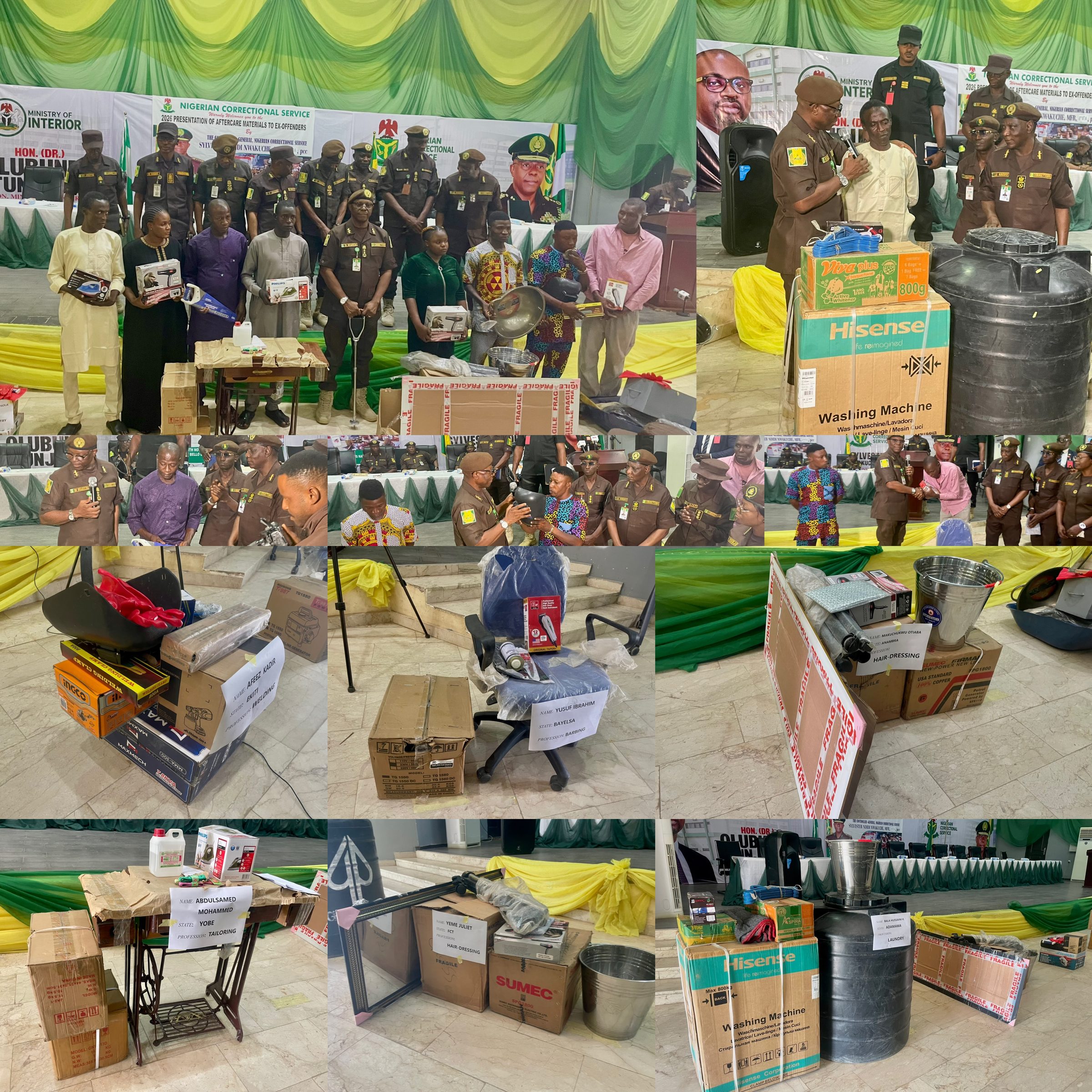
NCoS empowers 33 ex-offenders with vocational starter packs
Most Read on Naija Across Borders
NCoS empowers 33 ex-offenders with vocational starter packs
3 min read

Tinubu Seeks Senate Approval for $20.52bn, €1.05bn Loans
2 min read

EFCC: Adeboye ordered refund of illicit donation within 24 hours
2 min read

FG plans law to protect Tinubu’s economic reforms from reversal
1 min read