
Tinubu: Nigeria’s trade policy targets shift from importation to production
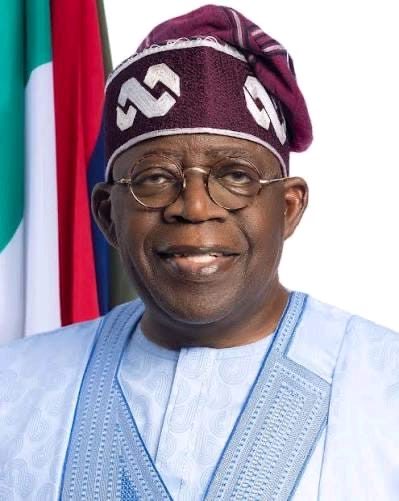
President Bola Tinubu says Nigeria’s trade and industrial policies are aimed at transforming the country from an import-dependent economy into a production-driven economy.
Tinubu said the policies were designed to address a situation where Nigeria participated in international trade mainly by buying and selling goods produced by other countries.
He stated this on Friday at the 40th Lagos International Trade Fair (LITF), held at Tafawa Balewa Square, Lagos.
The 10-day fair, organised by the Lagos Chamber of Commerce and Industry (LCCI), runs from Nov. 6 to Nov. 15, with the theme: “Connecting Businesses, Creating Value”.
The president, represented by the Minister of State for Industry, Trade and Investment, Sen. John Enoh, said Nigeria’s industrial and trade policies were complementary components of a unified economic strategy.
He said sustainable economic growth could only be achieved when goods were produced locally, value was added to raw materials and employment opportunities were created.
“Trade without production is merely buying and selling other people’s work.
“True growth comes when we make things here, when we add value here and when we employ people here,” he said.
Tinubu said the Federal Executive Council had approved the Nigeria Industrial Policy (NIP) to provide a roadmap for strengthening manufacturing and developing local value chains.
He explained that the policy would support efforts to transform the country’s raw materials into finished products and improve the competitiveness of Nigerian industries.
According to him, industrial development provides goods for trade, while trade creates access to markets for locally manufactured products.
He said factories without access to markets could not survive, just as trade agreements without sufficient export capacity could expose the country to increased imports.
The president said this informed the decision to place industry, trade and investment under one ministry to ensure coordinated implementation of the government’s economic objectives.
He added that the industrial policy was designed to complement Nigeria’s trade and investment policies.
Tinubu also said industrial parks and special economic zones were being developed to strengthen Nigeria’s export corridors.
He said the initiative would enable the country to negotiate more effectively under the African Continental Free Trade Area (AfCFTA) and other international trade arrangements.
He listed textiles and garments, automotive components, pharmaceuticals and creative industries among the sectors the government intended to strengthen.
Earlier, the President of LCCI, Mr Leye Kupoluyi, said the 40th edition of the fair attracted more than 1,000 exhibitors.
Kupoluyi said the exhibition provided opportunities for producers to connect with consumers, introduced emerging businesses to new customers and strengthened relationships across industries and international markets.
He said the success of the fair should be measured by its ability to translate participation into commercial partnerships, stronger businesses and sustainable economic value.
“Behind every exhibition stand is a story of an entrepreneur who took a risk, a manufacturer who invested in production, a team that developed a solution, or a business seeking its next opportunity,” he said.
In her goodwill message, the Chief Executive Officer of Zenith Bank Plc, Dr Adaora Umeoji, described the fair as an important platform connecting buyers, sellers, manufacturers and investors across Africa and beyond.
Umeoji said trade generated transactions, while access to financing and expansion opportunities enabled businesses to achieve sustainable growth.
She said global business connections could help Nigerian enterprises access buyers, suppliers and strategic partners in different countries.
Umeoji announced that Zenith Bank would serve as the official banker of the trade fair in 2026, 2027 and 2028.
She said the partnership demonstrated the bank’s confidence in Nigerian businesses, particularly small and medium-sized enterprises.
She also commended manufacturers, traders and service providers participating in the exhibition while welcoming international exhibitors and visitors to Lagos.
Similarly, the Regional Director for Anglophone West Africa, African Export-Import Bank (Afreximbank), Mr Kudakwashe Matereke, commended LCCI for sustaining the trade fair over four decades.
Matereke described Afreximbank as a committed partner of the chamber in advancing Africa’s trade and economic integration.
He said the 40th edition of the fair was an important milestone towards the Intra-African Trade Fair scheduled for 2027.
He expressed optimism about further collaboration among the chamber, the Nigerian Government and other stakeholders to promote intra-African trade.
Stay connected to Nigeria's global story
Related Articles
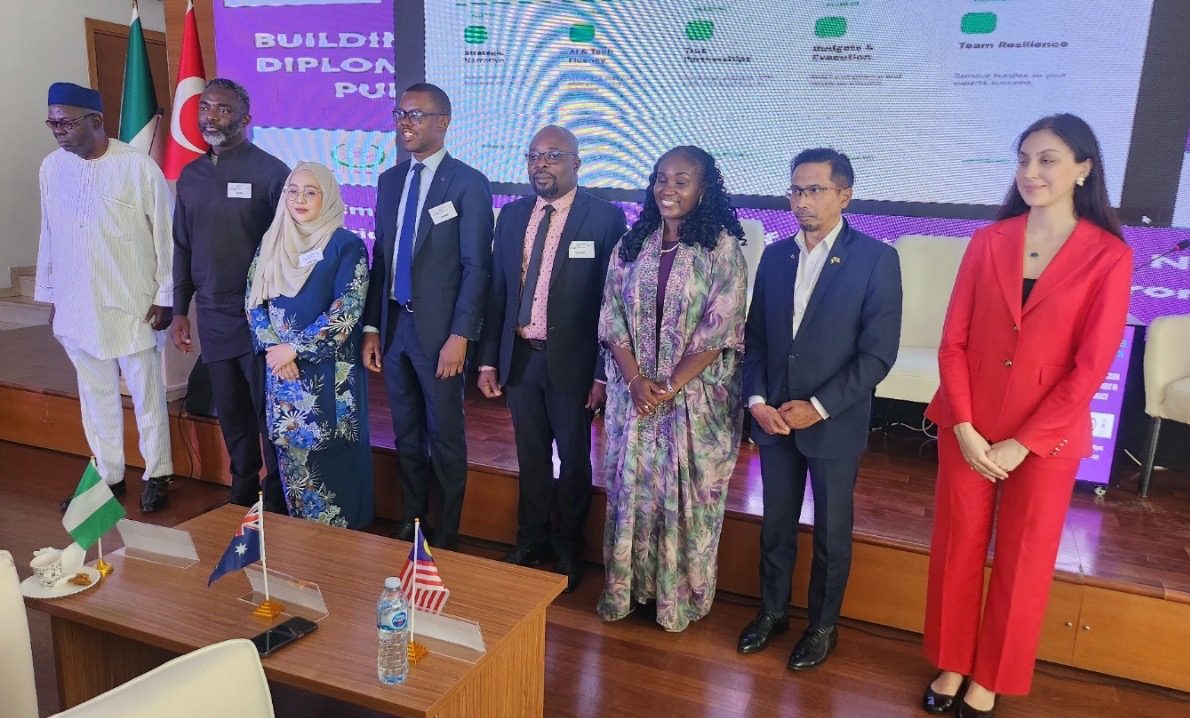
HEDDA conference seeks stronger African diplomatic capacity in public, digital diplomacy
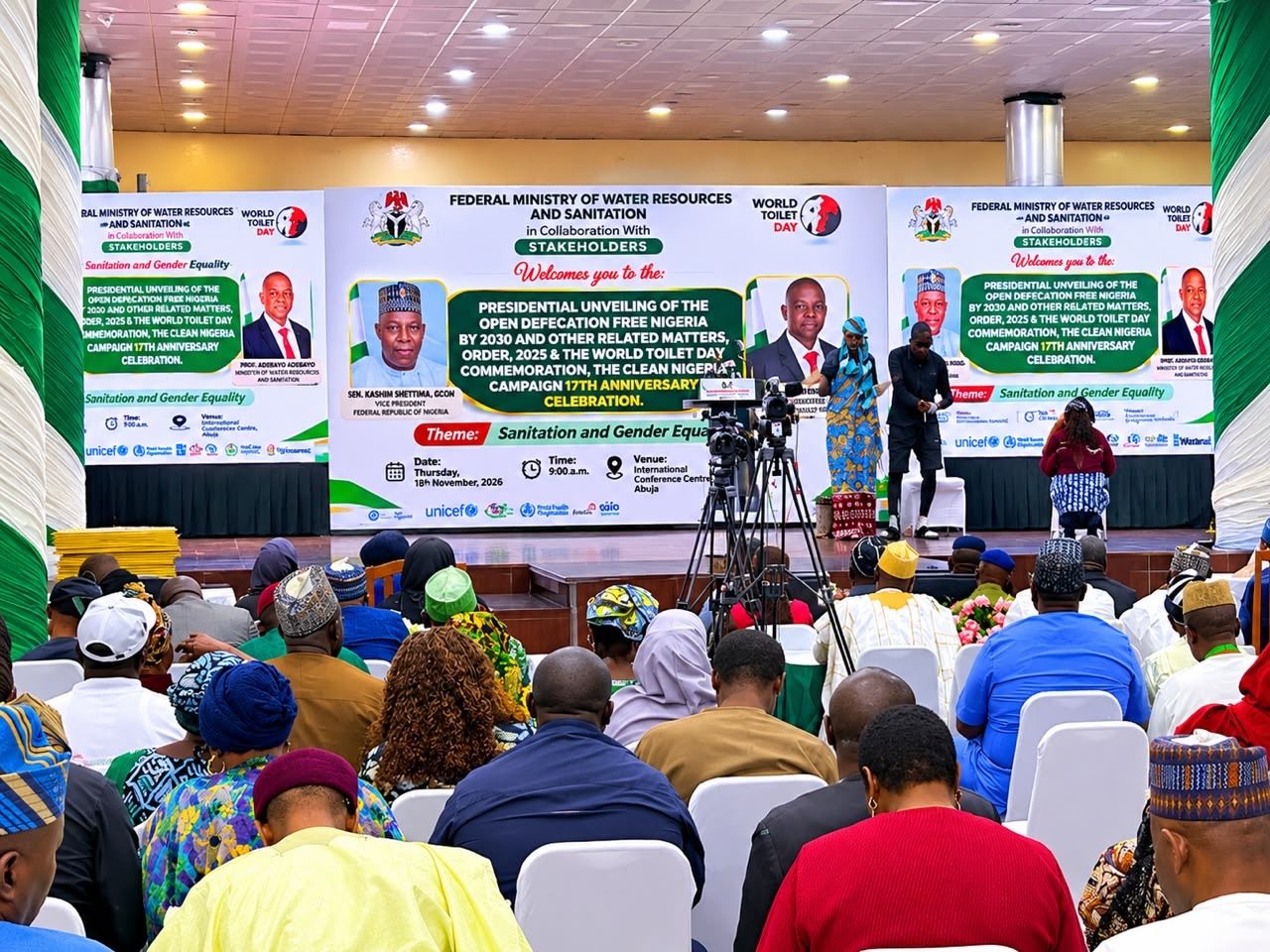
FG restates commitment to end open defecation by 2030

2027: Stop using other people’s children as thugs, Oborevwori warns politicians
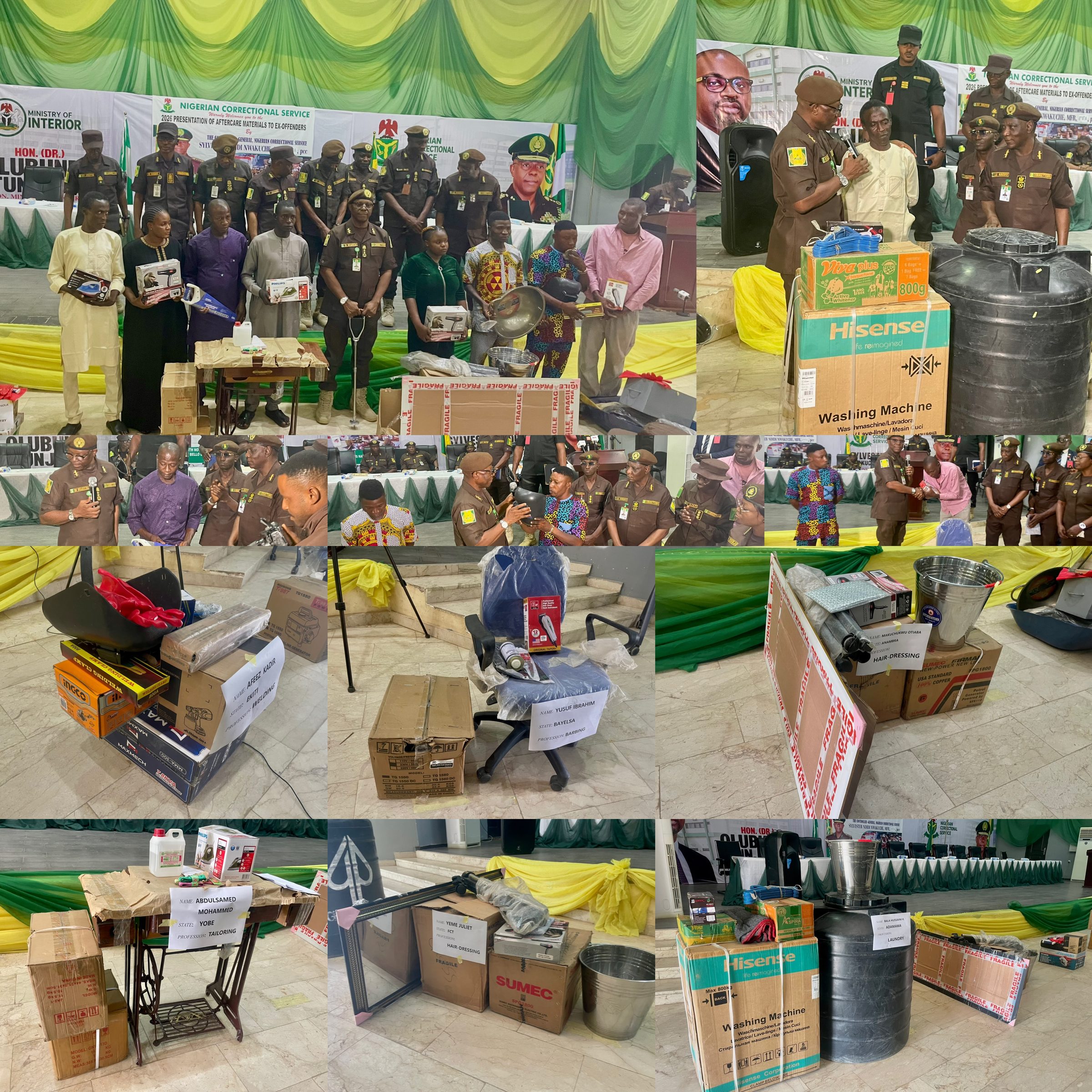
NCoS empowers 33 ex-offenders with vocational starter packs
Most Read on Naija Across Borders
NCoS empowers 33 ex-offenders with vocational starter packs
3 min read

Tinubu Seeks Senate Approval for $20.52bn, €1.05bn Loans
2 min read

EFCC: Adeboye ordered refund of illicit donation within 24 hours
2 min read

FG plans law to protect Tinubu’s economic reforms from reversal
1 min read