
Tax expert seeks independent agency to strengthen revenue accountability
By Chinedu Anolue
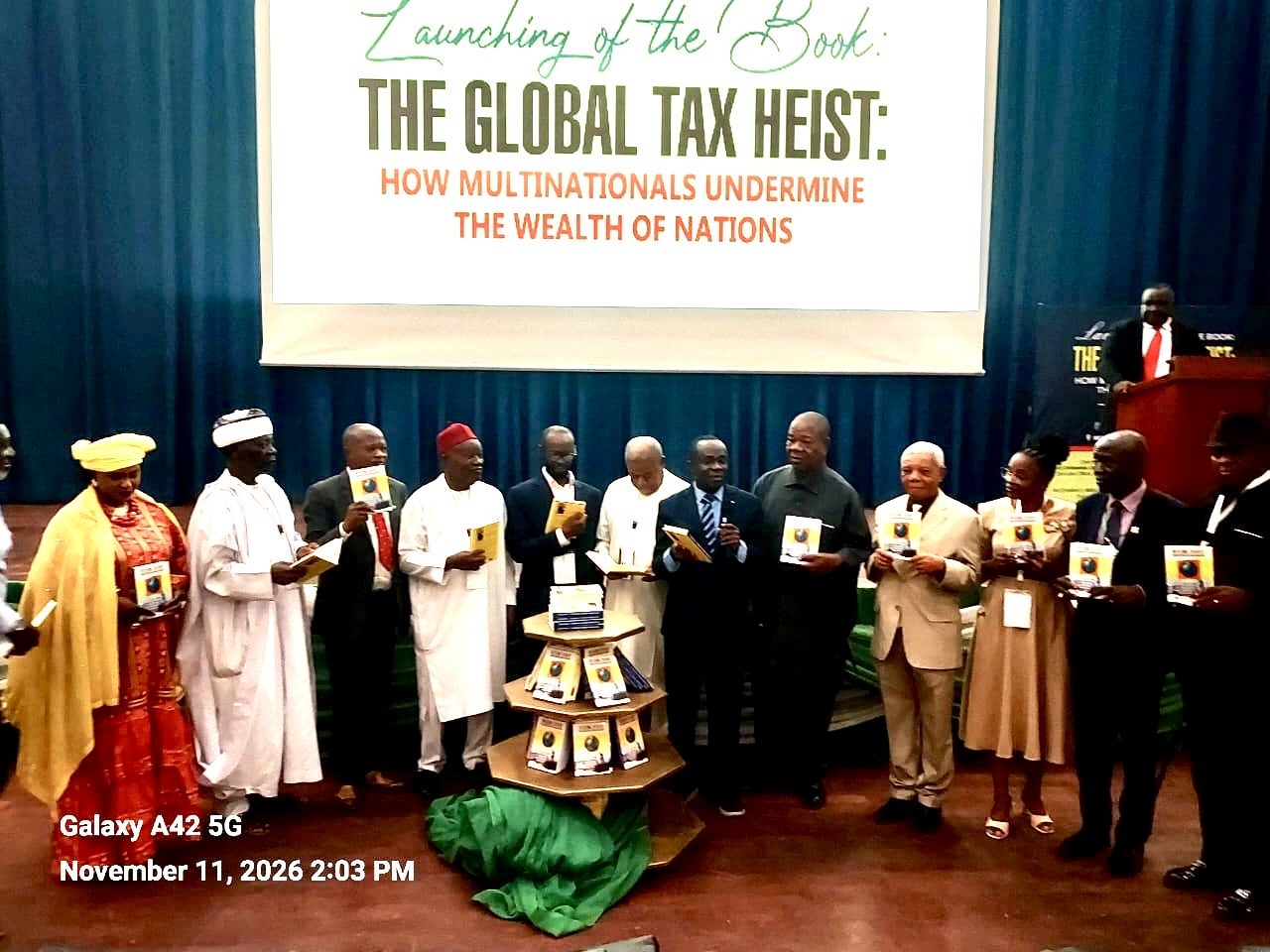
A Tax Analyst and Consultant, Chief Philip Oji, has called for the establishment of an Independent Revenue Protection Agency of Nigeria (IRAN) to strengthen transparency and accountability in revenue administration.
Oji made the call on Wednesday in Abuja at the launch of his book, “The Global Tax Heist: How Multinationals Undermine the Wealth of Nations”.
He said the proposed agency would independently monitor revenue transactions, enhance accountability and ensure quarterly reporting to the National Assembly.
“I studied tax law in Singapore and was inspired by inadequate tax education and awareness among Nigerians, particularly young people,” Oji said.
He also advocated the introduction of taxation studies into senior secondary schools and tertiary institutions to promote tax awareness and encourage citizens to demand accountability from government.
Oji said the proposed agency would also strengthen Nigeria’s international financial cooperation through information sharing to combat illicit financial flows and terrorist financing.
“Nigeria loses more than 50 billion dollars annually due to weaknesses in revenue protection mechanisms. This stresses the need for independent oversight,” he said.
He disclosed that the Association of Consultants on Nigeria’s Revenue and Economy had spent 10 years advocating the establishment of the agency.
He noted that the proposed bill, sponsored by Benjamin Okezie-Kalu and eight other lawmakers, was currently before the House Committee on Finance.
Reviewing the book, Prof. Joseph Uwaleke described it as a timely contribution to discussions on taxation, economic governance and sustainable national development.
He said global tax leakages, the exploitation of national wealth by multinational corporations and the Catch Them Young Tax Transparency and Accountability Initiative were among the major themes of the book.
Uwaleke identified transfer pricing, base erosion and profit shifting, cryptocurrency transactions and the use of shell companies as practices undermining revenue generation in developing economies.
The reviewer also highlighted provisions of the Nigerian Tax Act 2025, particularly Section 57, which established a minimum effective tax rate of 15 per cent for qualifying companies.
He urged stakeholders to ensure effective implementation of tax reforms, improve tax administration and integrate taxation education into Nigeria’s school curriculum.
Earlier, the Chairman of the Organising Committee, Malcolm Illenigbo, criticised what he described as Nigerians’ reluctance to pay taxes.
“Many citizens expect government to provide infrastructure without fulfilling their tax obligations,” he said.
Illenigbo urged governments to strengthen tax collection mechanisms, alleging that fraudulent practices among collection agencies and tax evasion by companies were depriving the country of substantial revenue.
(NAN)
Stay connected to Nigeria's global story
Related Articles

HEDDA conference seeks stronger African diplomatic capacity in public, digital diplomacy
FG restates commitment to end open defecation by 2030

2027: Stop using other people’s children as thugs, Oborevwori warns politicians
NCoS empowers 33 ex-offenders with vocational starter packs
Most Read on Naija Across Borders
NCoS empowers 33 ex-offenders with vocational starter packs
3 min read

Tinubu Seeks Senate Approval for $20.52bn, €1.05bn Loans
2 min read
EFCC: Adeboye ordered refund of illicit donation within 24 hours
2 min read
FG plans law to protect Tinubu’s economic reforms from reversal
1 min read