Obasanjo advocates African model of democracy
Adebayo Gbeja
Editor • Aug 11, 2026 • 3 min read
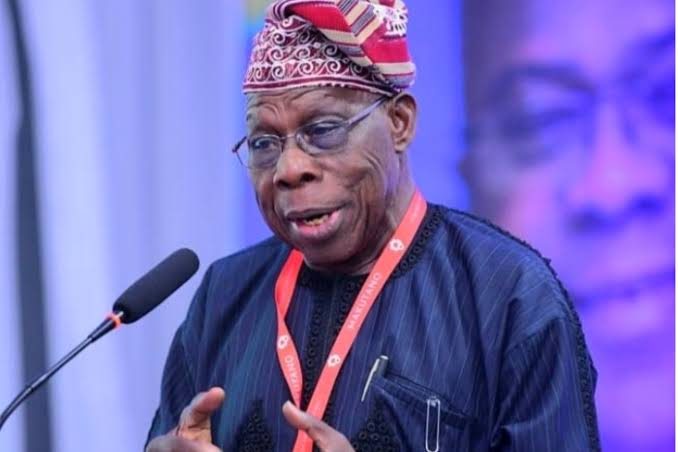
Former President Olusegun Obasanjo has called for the development of a democratic system that reflects Africa’s history, culture and socio-economic realities.
Obasanjo made the call on Tuesday in Bauchi at the 2026 Goodluck Jonathan Foundation (GJF) Democracy Dialogue, themed: “Beyond Elections: Can Political Parties and the Judiciary Alone Save African Democracy?”
He argued that the Western liberal democratic model adopted by many African countries lacked sufficient local context and had failed to adequately address the continent’s peculiar challenges.
“The democracy we practise has no African context. If you try to use what is not meant for you to serve your purpose, it’s like a dress for which you are not measured,” he said.
The former president also expressed concern over the increasing role of the judiciary in determining electoral outcomes, questioning whether the decisions of a few judges should overturn the choices made by millions of voters.
Obasanjo further criticised the concept of “loyal opposition” in Western democracy, noting that political opposition in many African societies was often perceived as hostility rather than a legitimate component of democratic governance.
He urged African scholars, policymakers and political leaders to work towards an inclusive and Afro-centric democratic model based on good governance, equity, public welfare and effective community representation.
Earlier, former Vice-President Namadi Sambo called for renewed commitment to democracy as a means of promoting justice, inclusion, development and human dignity across Africa.
Sambo identified electoral disputes, political intolerance, weak institutions, corruption, youth unemployment and declining public confidence as some of the major challenges confronting democracy on the continent.
He, however, said the challenges should serve as a basis for strengthening democratic institutions rather than abandoning the system.
According to him, African countries need stronger institutions capable of conducting credible elections, protecting citizens’ rights and ensuring accountable governance.
Sambo also urged political parties to strengthen their internal democratic structures, improve transparency and accountability, and focus more on policies and programmes that address the needs of citizens.
He called for credible and inclusive candidate selection processes, with party members given meaningful opportunities to participate in decision-making.
The former vice-president also advocated a shift from personality-driven politics to peaceful competition based on ideas, policies and programmes.
He said political opponents should not be regarded as enemies, stressing that political disagreements should be resolved through dialogue and constitutional mechanisms.
Sambo further urged political leaders to protect democratic institutions by accepting electoral victories with humility and defeats with dignity, while pursuing lawful channels to challenge disputed results.
On the judiciary, he described it as a critical pillar of democratic governance and stressed the importance of an independent and impartial judicial system in resolving disputes and protecting citizens’ rights.
He said judges must be free to perform their duties without political interference, intimidation or undue pressure, while maintaining high standards of integrity, professionalism and accountability.
Sambo also stressed the need for the timely resolution of cases, particularly electoral disputes, warning that prolonged litigation could weaken public confidence in democratic institutions.
He called for increased participation of women and young people in politics, noting their significant demographic presence across the African continent.
Stay connected to Nigeria's global story
Related Articles
Ondo Govt Recruits Over 6000 Workers in 18 Months
Atiku Promises Total Restoration of Subsidy as President, Says No Spokesperson Is Authorised to Mislead Nigerians
Edo Assembly converts ex-Speaker’s “resignation” to impeachment