Inmates receive trade test, national skills qualification certificates in FCT
Adebayo Gbeja
Editor • Aug 13, 2026 • 6 min read
The Nigerian Correctional Service (NCoS) has presented Trade Test and National Skills Qualification Certificates to skilled inmates of the FCT Custodial Centres.
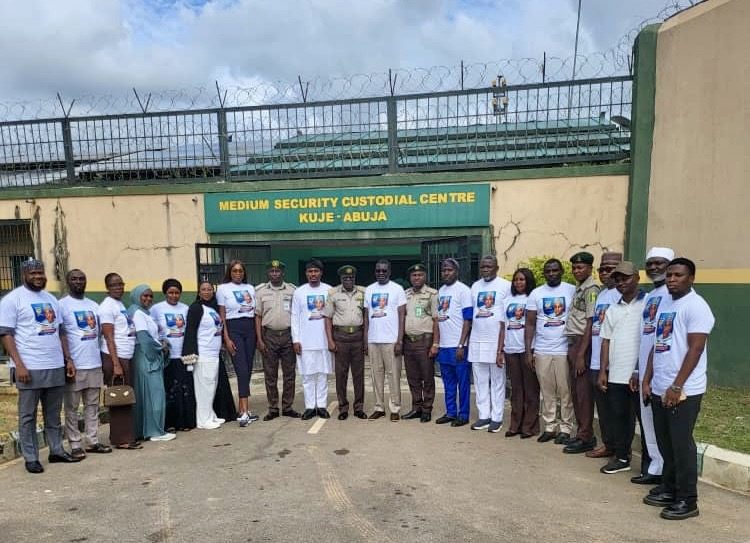
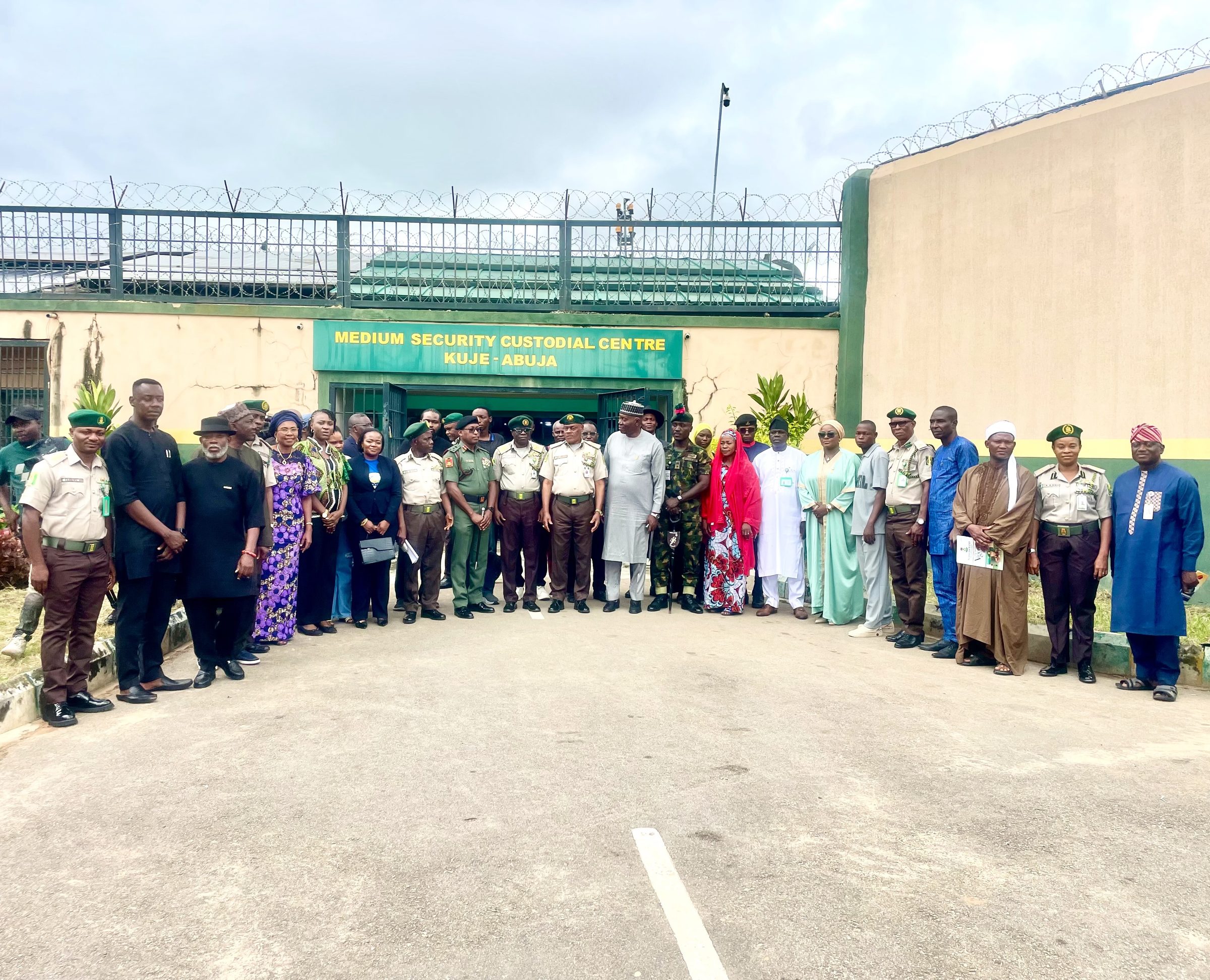
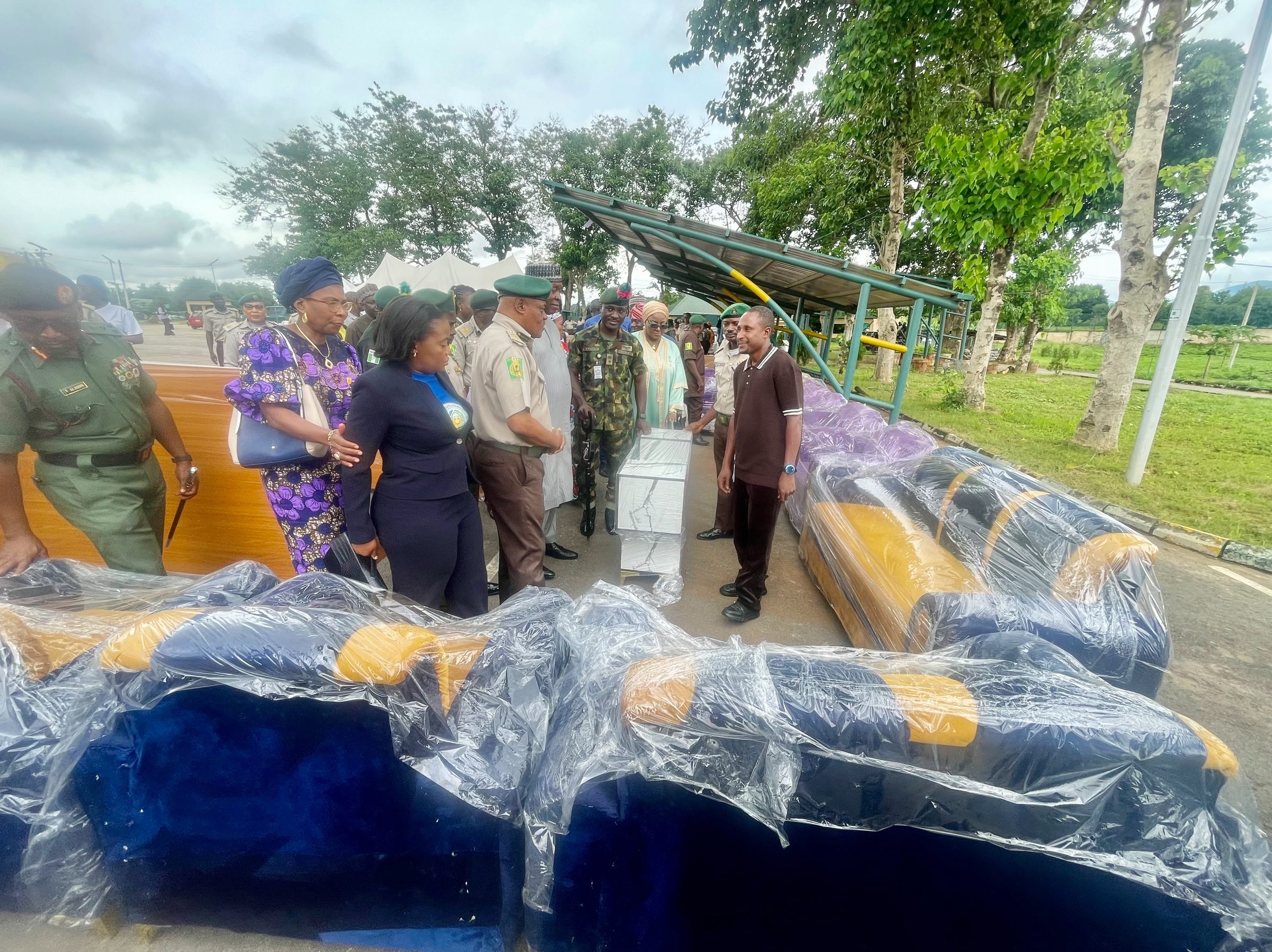
The certificates were presented on Thursday, during an exhibition of products made by inmates through various vocational and skills acquisition programmes at the Medium Security Custodial Centre, Kuje, Abuja.
The event themed “Reforming Lives Through Skills”, showcased the creativity, talents and transformation of inmates under the service’s Reformation, Rehabilitation and Reintegration (RRR) programmes.
The Controller-General of Corrections (CGC), Sylvester Nwakuche, in his remarks, said that the certification represented more than academic achievement.
Nwakuche represented by the Deputy Controller-General (DCG), Inmates Training and Productivity, Nicholas Obiako, described the occasion as a celebration of transformation, hope, dignity, rehabilitation and second chances.
He said the certificates were tangible evidence of the beneficiaries’ hard work, discipline and determination to acquire skills capable of changing their lives.
He also said that education and vocational training remained critical components of rehabilitation and successful reintegration of inmates into the society.
According to him, skills acquired in custody can provide legitimate alternatives to idleness and equip inmates for employment, entrepreneurship and sustainable livelihoods.
He identified carpentry, tailoring, welding, barbing and shoemaking as skills capable of creating economic opportunities for beneficiaries after their release.
The controller-general however, said that rehabilitation must go beyond technical skills.
“The mind must be rehabilitated alongside the hands.
“Counselling, psychological support, mentorship, family engagement and other interventions are necessary to prepare inmates for successful reintegration,” he said.
Nwakuche urged stakeholders to ensure that the certification translated into actual economic opportunities for released inmates.
“Access to tools, start-up capital, employment opportunities, mentorship and entrepreneurship support will determine whether the skills acquired become sustainable livelihoods.
“Certification must not be the destination; it must be the bridge to economic reintegration,” he said.
The CGC warned that inmates who leave custody with certificates but without means to practise their skills could become vulnerable to frustration and possible reoffending.
He therefore called for stronger post-release support involving government, private sector organisations, development partners, families and communities.
He also urged the beneficiaries to use their skills responsibly and prove that rehabilitation was possible.
“Do not allow your past to define the rest of your lives. Continue learning, remain disciplined and use your skills to support your families and communities,” he advised.
Similarly, the Controller of Corrections, FCT Command, Christopher Jen, said the command had established empowerment programmes across its three formations.
He listed the formations to include Kuje Custodial Centre, Suleja Custodial Centre and the Dukpa Farm Centre.
Jen said inmates across the facilities had been trained in various trades, including barbing, bag making, plumbing, electrical work and soap production.
He said others had received training in fishery, poultry, artwork, carpentry, tailoring, tie-and-dye, knitting, bead making, shoemaking and laundry.
According to him, at Dukpa farm centre, inmates are being trained in animal husbandry, crop farming, tailoring, barbing and laundry.
“No fewer than 200 inmates have received training in fishery, while 118 have been trained in poultry production at Kuje.”
Jen also said that 80 inmates had also received soap-making training, while 60 were trained in tie-and-dye and 48 in tailoring.
He added that the command had also supported former inmates after their release to prevent them from returning to crime.
He disclosed that about 25 former inmates who had left the centre were recently recalled for empowerment and received starter packs from the Luchi Foundation and Hope Behind Bars.
“The beneficiaries have settled into their various places of work after receiving the support,” he said.
He noted that sustained economic empowerment could also help address the stigma faced by former inmates.
“The stigmatisation of inmates is no longer tenable because when you have something doing, people see you as a changed person,” he said.
Also speaking, the Director, Skills Development and Certification Department, Federal Ministry of Labour and Employment, Mr Tiza Shaaka, said certification was critical to improving professionalism and employability among Nigerian artisans.
Shaaka said that the Trade Test Certificate of Competence provided a recognised standard for assessing vocational and technical competence.
He also said that the certification covered classes III, II and I, representing basic, intermediate and advanced levels of competence.
According to him, trade testing is based on 70 per cent practical work and 30 per cent theoretical assessment.
Shaaka said certification could improve access to formal employment, financial opportunities, career progression and professional registration.
He added that certified artisans could gain greater credibility when seeking business registration, loans and government-backed enterprise interventions.
He said the certification also helped transform informal learning and apprenticeships into formally recognised qualifications.
“Building professional capacity among Nigerian Artificers requires verifiable skills validation,” Shaaka said.
The director also said that formal recognition of skills acquired by the inmates would enable employment opportunities and contribute more effectively to national economic development.
Speaking on behalf of the beneficiaries, Chiwendu Hart, an awaiting-trial inmate, described the programme as significant in tackling recidivism.
Hart said inmates often returned to custody when they were released without adequate reformation, skills and reintegration support.
He thanked the FCT controller of corrections whom he described as a catalyst of reformation.
“We are promising that what has happened here today, we will not disappoint society,” he said.
He disclosed that he had undergone poultry training and was already participating in poultry production within the custodial centre.
Hart said the facility had successfully raised more than 3,000 birds with about 95 per cent success.
He also disclosed that he had furthered his education while in custody, progressing from secondary school qualifications to a master’s degree in Christian theology.
According to him, I have also published nine books while in custody.
He urged other inmates to remain hopeful, saying physical restriction should not prevent people from developing their minds and positively impacting society.
He further said that the beneficiaries were determined to return to society with skills and knowledge that would enable them to make positive contributions.
Meanwhile, a former inmate and first graduate of the National Open University of Nigeria (NOUN) Kuje Custodial Study Centre, Chinedu Eze, presented an Impactful Leadership Award to senior correctional officials.
The awards recognised the Controller-General of Corrections, the Controller of Corrections, FCT Command, and the NOUN Kuje Custodial Centre Desk Officer, DSP Adikwu Owoicho.
Eze presented the awards on behalf of former and serving inmates who had benefited from educational and rehabilitation initiatives of the correctional service.
NAN reports that the exhibition featured products and works produced by inmates as evidence of the practical skills acquired through the service’s rehabilitation programmes.
The event underscored the correctional service’s emphasis on preparing inmates for self-reliance, lawful livelihoods and productive reintegration into society.
The event was attended by representatives of the Federal Ministry of Labour and Employment, Ministry of Trade and Investment, development partners, correctional officers, Non Profit Organisations and other stakeholders.